Russia added to the EU blacklist: What are the legal and financial impacts for businessess?
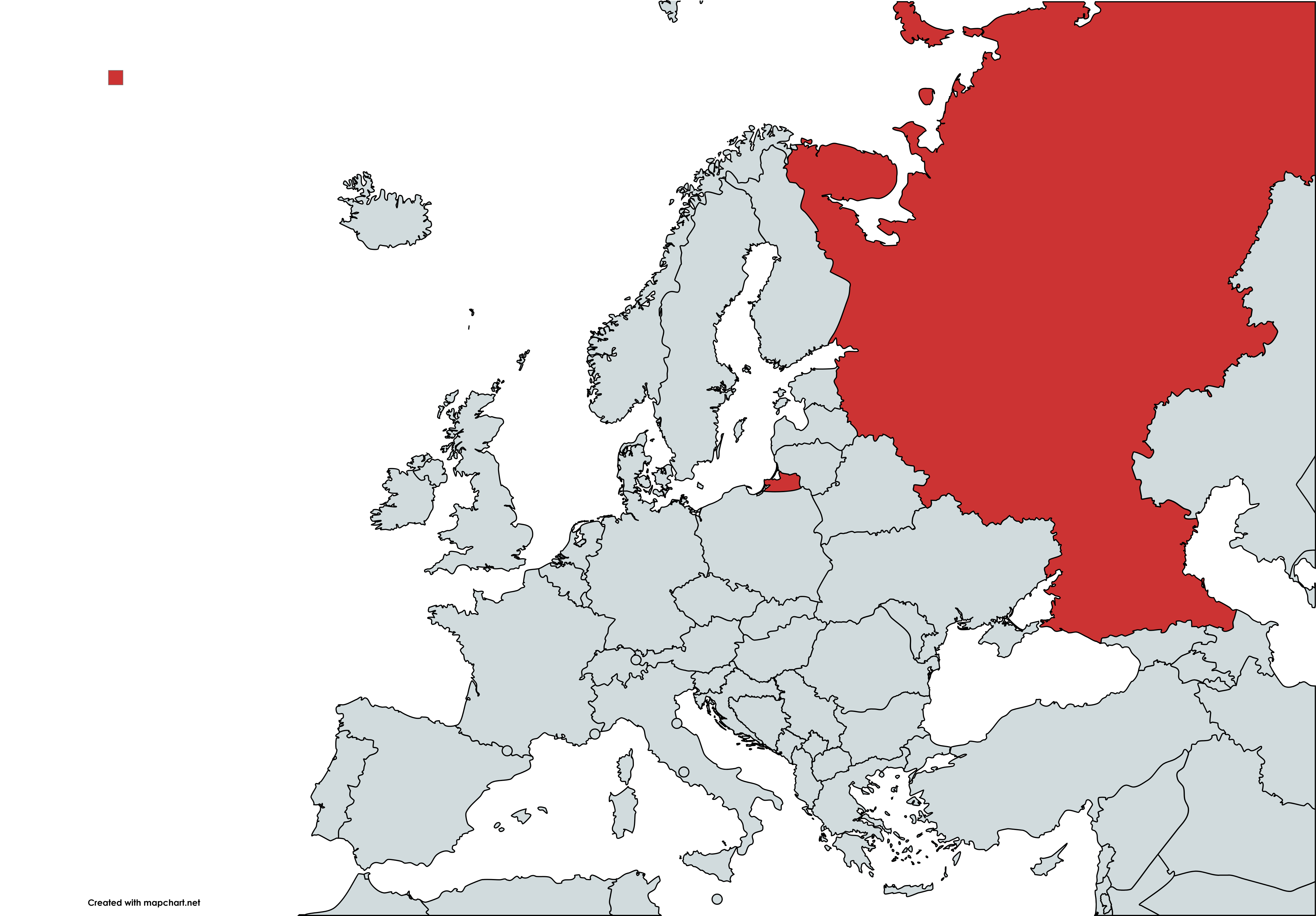
On December 3, 2025, the European Commission announced that Russia had been added to its blacklist of high-risk countries regarding money laundering and terrorist financing. This decision is based on an assessment of the shortcomings in the Russian financial system, particularly its lack of transparency and cooperation with sanctioned entities.
If validated by the European Parliament and the EU Council, this decision will mark a new step in Russia’s financial isolation and will have major repercussions for Russian companies, banks, and nationals in France.
1. Consequences for French Companies and Banks
1.1 Enhanced Due Diligence Obligations (AML/CFT) French financial institutions will be required to apply strengthened controls on any transaction involving entities or individuals linked to Russia, even indirectly. This includes:
Increased due diligence (verification of the origin of funds, identification of beneficial owners, etc.).
A higher risk of sanctions for non-compliance with anti-money laundering (AML/CFT) regulations.
1.2 Complication of Trade Relations French exporting and importing companies will need to:
Review their supply chains to avoid Russian intermediaries or exposed third countries.
Anticipate delays and additional costs due to increased checks.
Secure their contracts by including compliance and termination clauses in the event of sanctions.
1.3 De-risking Effect Some banks may choose to reduce or even terminate their relationships with Russian clients or those operating in Russia, due to fears of sanctions or reputational risks. This could affect:
Subsidiaries of Russian groups in France.
French companies with clients or investments in Russia.
Russian individuals residing in France.
2. Impacts for Russian Nationals Residing in France
2.1 Banking Difficulties and Transfer Restrictions
Russian nationals may face:
Obstacles to opening accounts or managing their assets in France.
Enhanced controls on international transfers, with a risk of account freezing or closure.
Increased requirements for documentation (source of funds, residence status, etc.).
2.2 Impact on Investments and Personal Projects
Funding and Grants: Russian researchers, entrepreneurs, or students may see their applications for funding or partnerships rejected due to legal or reputational risks.
Real Estate Acquisition: French banks may be reluctant to grant loans to Russian nationals, even residents.
Asset Management: Wealth managers will need to adapt their strategies to secure the assets of their Russian clients.
3. Geopolitical and Economic Issues
3.1 Strong Signal to Third Countries This measure sends a clear message to third countries (China, Turkey, United Arab Emirates, etc.): any financial or commercial cooperation with Russia now carries increased risks. It could accelerate the fragmentation of international financial flows and push Russia toward parallel channels (cryptocurrencies, bilateral agreements).
3.2 Long-term Perspectives
Economic Torpedo: Russia risks further reduced access to international financial markets, limiting its investment and innovation capacities.
Pressure on Russian Elites: Restrictions could increase internal tensions, especially among elites seeking to preserve their assets and ties with the West.
4. Next Steps The delegated regulation must be examined by the European Parliament and the EU Council, which have a one-month period (extendable by an additional month if necessary) to raise any objections. If no opposition is expressed, the measure will enter into force and apply immediately.
https://ec.europa.eu/commission/presscorner/detail/en/ip_25_2910